A Quick History
-
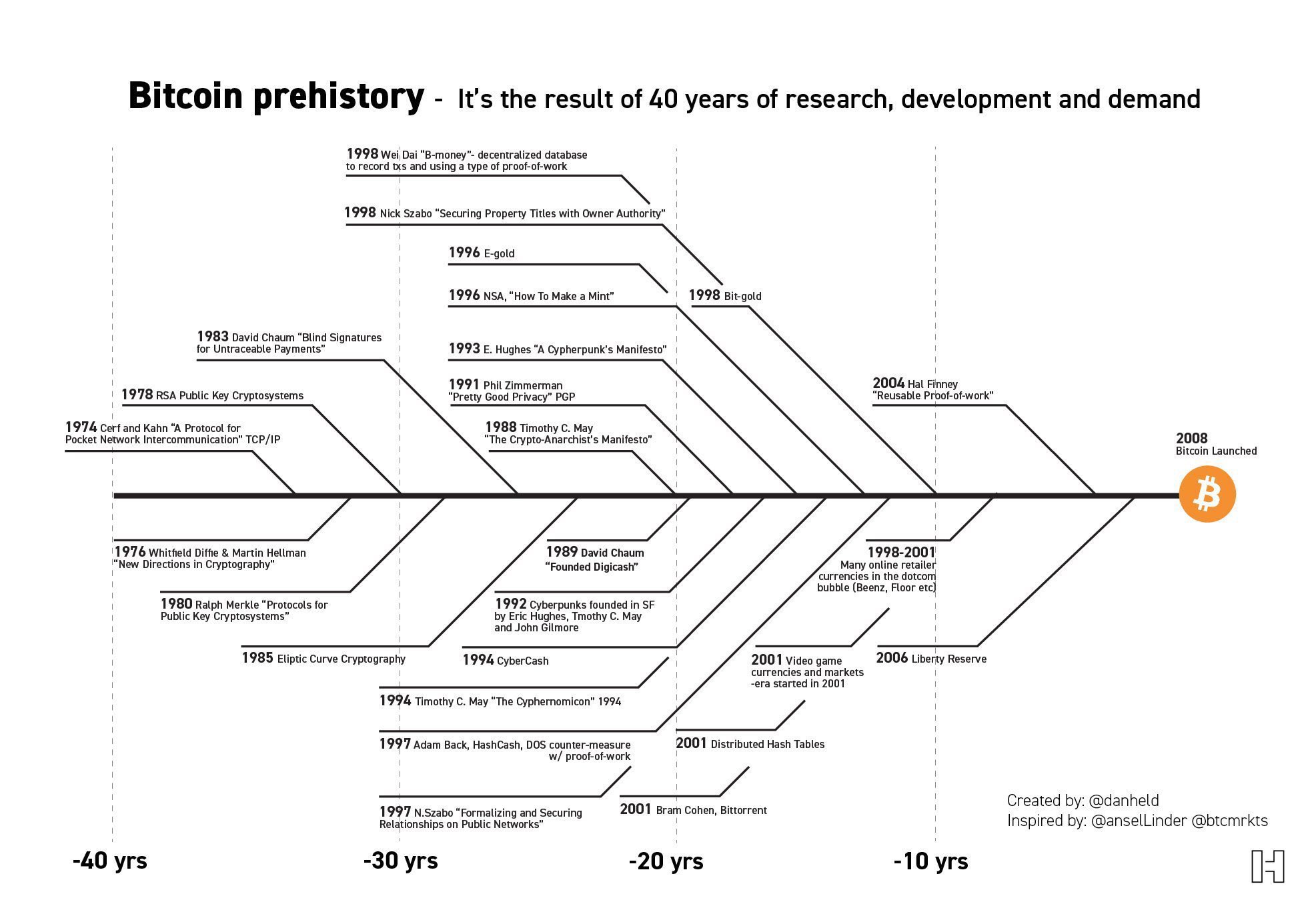
The 1980s saw the emergence of the cypherpunk activist movement, as a reaction to the emerging Digital Society Surveillance state,burnham1983rise; @chaum1985security a topic which is expanded in Digital Society Surveillance and Global Inequality . These early computer scientists in the USA saw the intersectionality between information, computation, economics, and personal freedom.lavoie1990prefatory Online discussion in the early nineties foresaw the emergence of trans-national digital markets, what would become the WWW.[[salinCosts; @cypherPunkMailList]] The issues of privacy and the exchange of digital value (digital /ecash) were of foremost importance within these discussions and while privacy was within reach thanks to “public/private keypairs”, ecash proved to be amore difficult problem.
-
Adam Back’s 1997 ‘hashcash’back2002hashcash paved the way for later work by implementing the concept of what would become ‘proof of work.’dwork1992pricing; @jakobsson1999proofs This was built upon by Dai,dai1998b Szabo,szabo1997formalizingFinney,callas1998openpgp and Nakamoto amongst others. In all it took16 years of collaboration on the mailing lists (and dozens of failed attempts) to attack the problem of trust-minimised, distributed, digital cash. The culmination of these attempts was Bitcoin.Nakamoto2008
-
This is illustrated by Dan Held.
-
Dan Held: Bitcoin prehistory used with permission.
-
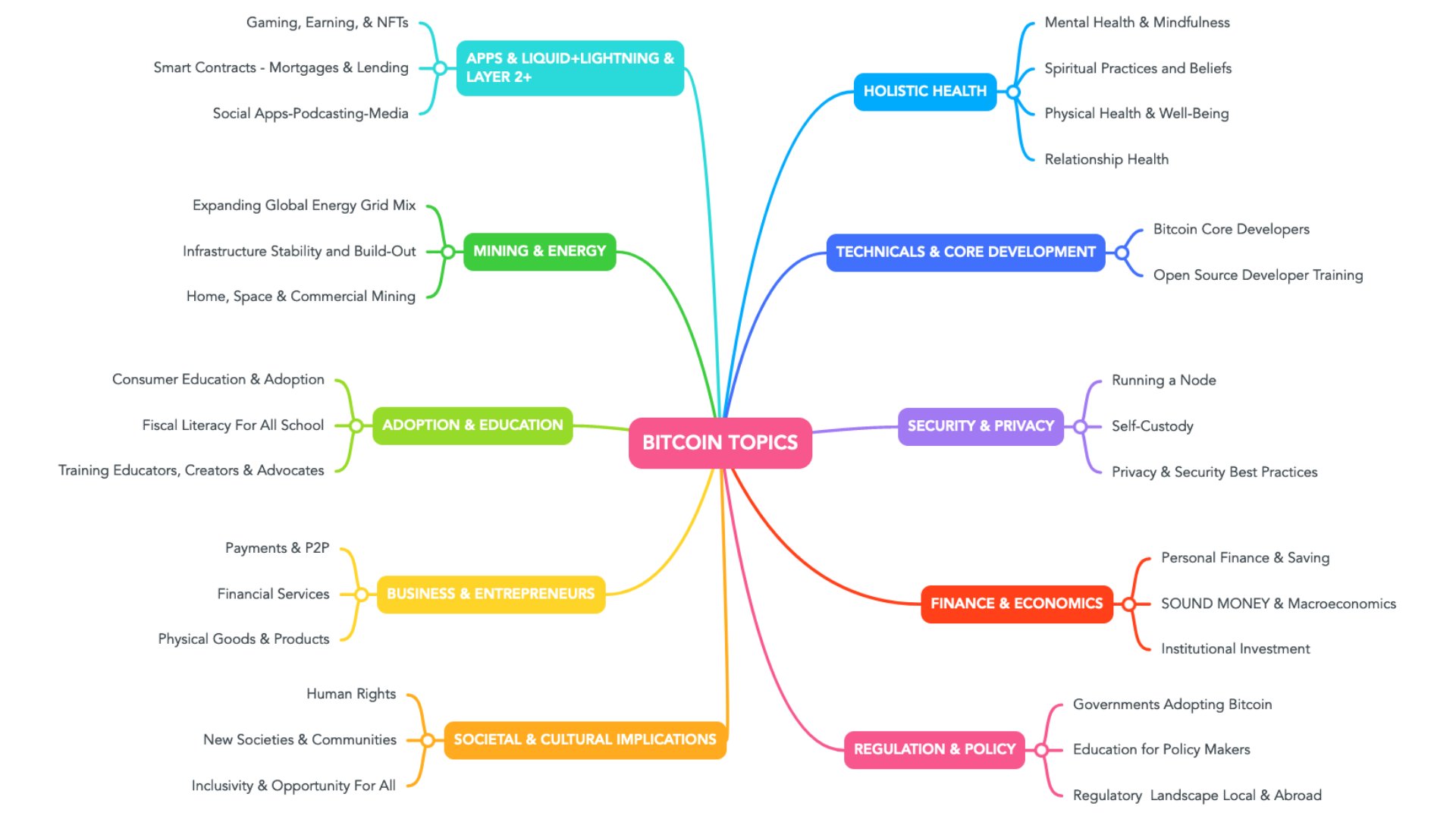
This is now a wider ecosystem of technologies and societal challenges.
https://twitter.com/djvalerieblove/status/1514703620272394243/
- used with permission @djvalerieblove.
-
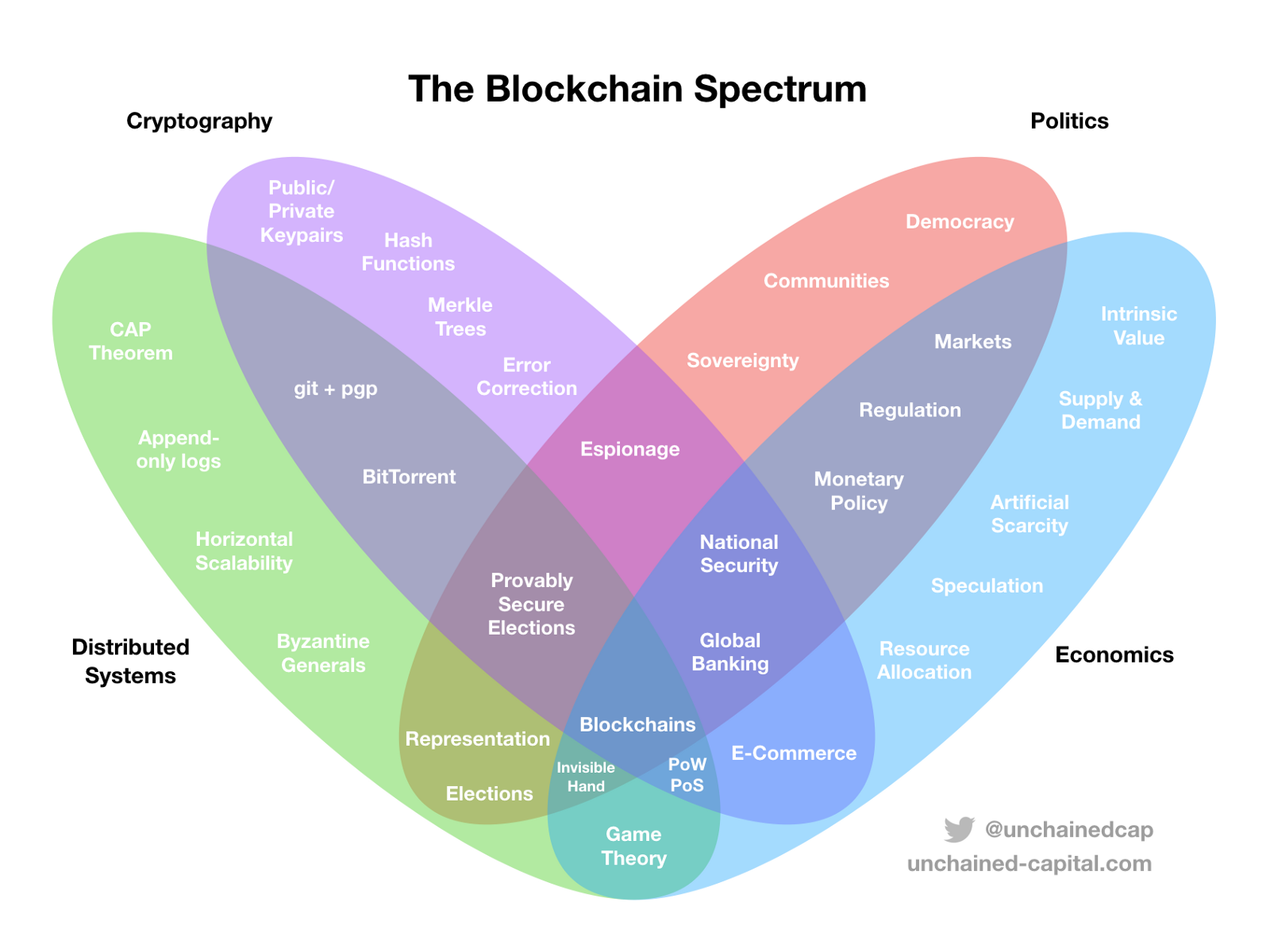
There is enormous complexity and scope, as seen in below, and yet genuinely useful products are elusive.
 {width 800}
Definition
- Distributed ledger technology (DLT) is a data structure distributed across multiple managing stakeholders. A subset of DLT is blockchain, which is a less efficient, immutable data structure with a slightly different trust model. Rauchs et al. of the Cambridge Centre for Alternative Finance provide a detailed taxonomy and conceptual framework.rauchs2018distributed It can be seen in their paper that the definitions are somewhat unclear in literature.
- It is surprisingly hard to pin down a simple explanation for the features which define a blockchain. These “key takeaway” from Investopedia are a neat summary.
- Blockchain is a specific type of database.
- It differs from a typical database in the way it stores information; blockchains store data in blocks that are then chained together.
- As new data comes in it is entered into a fresh block. Once the block is filled with data it is chained onto the previous block, which makes the data chained together in chronological order.
- Different types of information can be stored on a blockchain but the most common use so far has been as a ledger for transactions.
- In Bitcoin’s case, blockchain is used in a decentralized way so that no single person or group has control—rather, all users collectively retain control.
- Decentralized blockchains are “append only”. In effect this means that the data entered becomes irreversible over time. For Bitcoin, this means that simple economic transactions are permanently recorded and viewable to anyone.
- It can be argued that the whole concept of distributed cryptographic blockchains is somewhat strained, as the vast majority of the technology offerings are not distributed, and worse, meaningful distribution may indeed be practically impossible without a trusted third party.kwon2019impossibility “There are many scenarios where traditional databases should be used instead”casino2019systematic.
- There are thousands of different ‘chains’ and many more tokens which represent value on them. A majority of these are code forks of earlier projects. Most are defunct yet still have some residual ‘value’ locked up in them as a function of their ‘distributed’ tokens.
- Because the space is comparatively new, subject to scant regulation, and often open source, it is possible to clone a github, change a few lines of code, and front it with a website in order to create ‘scams’, and this happens frequently.golumbia2020cryptocurrency
- The technology and the global legislative response are somewhat immature, and misapplications of both technologies are commonplace.
What’s this for sorry?
-
In principle blockchains provide a differentiated trust model. With a properly distributed system a blockchain can be considered “trust-minimised”, though certainly not risk minimised. This is important for some, but not all people. There is not much emboldening of text within this book. If you start to question the whole reason for this ‘global technology revolution’ then it always comes back to those three words. Put more crispy it’s been hiding in plain sight since 20008as ‘Magic Internet Money’. Perhaps the lack of a trusted third party, and the potential for instant final settlement will be most important for machine to machine (AI) systems, and that is the primary focus of this book.
-
Within DLT/blockchain there seem to be as many opinions on the value of the technology as there are implementations. A host of well engineered open source code repositories makes the cost of adoption relatively low.
-
The proponents of blockchains argue, that in an era when data breaches and corporate financial insolvency intersect with a collapse in trust of institutions, it is perhaps useful to have an alternative model for storage of data, and value. That seems like a lot of effort for a questionable gain, and much of this can be achieved through Public Key Encryption infrastructure. It’s far more likely it’s simply speculation.
-
While building this knowledgebase, the question of ‘what is this really, for and how can it possibly be worth it’, came up again and again. In truth it’s a very difficult question, without a clear enough answer. It’s beyond the scope of this book to figure this out properly, but references to advantages and disadvantages will be made throughout.
-
It seems that the engineers who created Bitcoin wanted very much to solve a technical problem they saw with money (from their understanding of it), and the transmission of money digitally. As the scale and scope have increased so has the narrative evolved, but it’s never really kept pace with the level of the questions posed.

-
A cost benefit analysis that excludes speculative gains seems to fail for pretty much all of blockchain/DLT. Bitcoin is more subtle as possibly can circumvent the legacy financial systems. This still leaves huge questions. To quote others in the space, is Bitcoin now the iceberg or the life raft?
-
For the most developed defence of the technology as it stands in from a Western perspective, in this moment, Gladstein (and others) offer a vision for the asset class, in the 87% of the world he says don’t have access to the technology infrastructure benefits enjoyed by the developed west gladsteincheck2022.
-
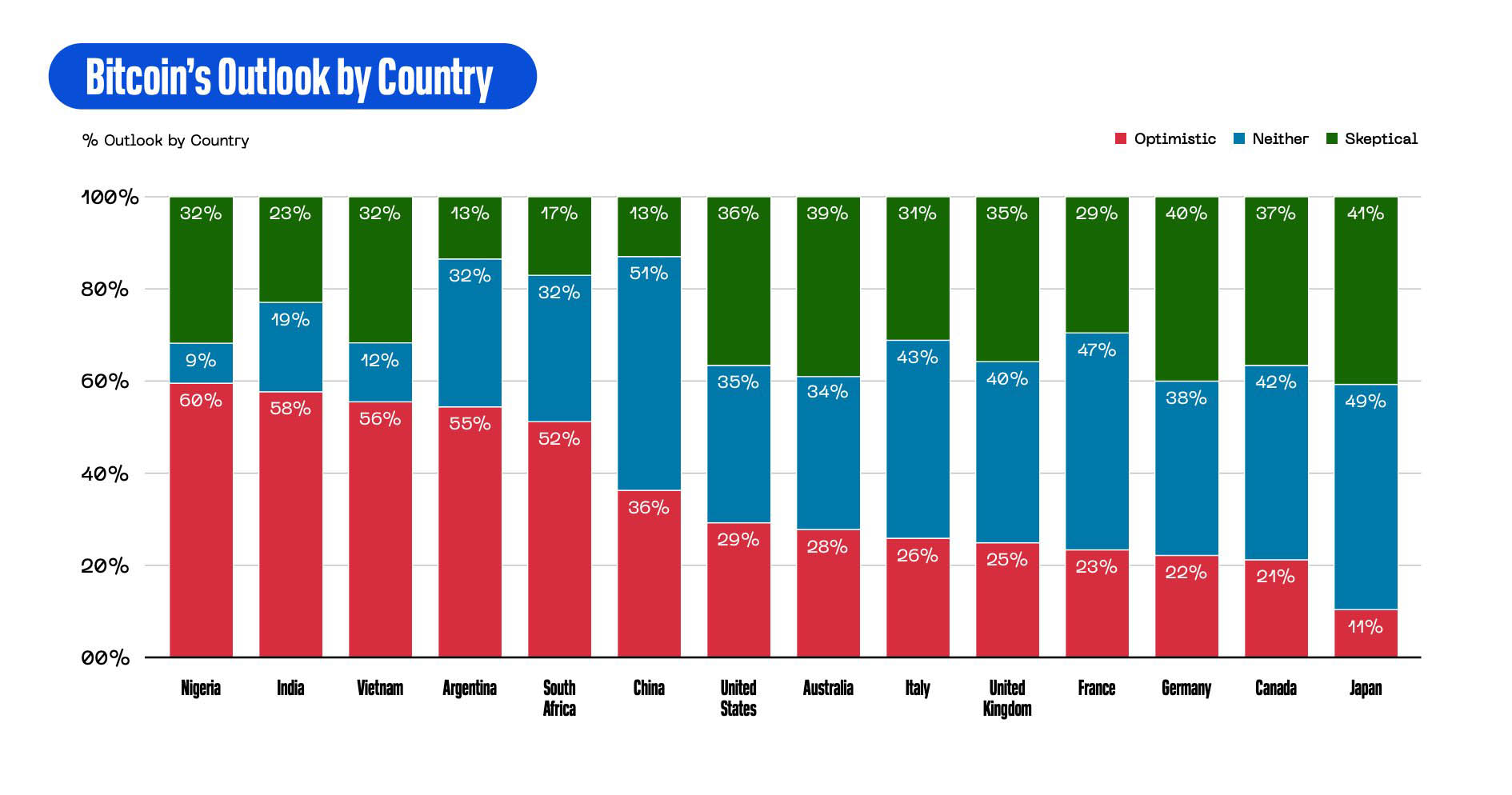
He points to Block and Wakefield Research’s report which finds those living under financially oppressive regimes are the most optimistic about the technology. This argument is suggestive of huge and untapped markets for services which may be accessible to developed nations through telepresence/metaverse interfaces, and which may increase equity of access to opportunity elsewhere. To put some figures against this:
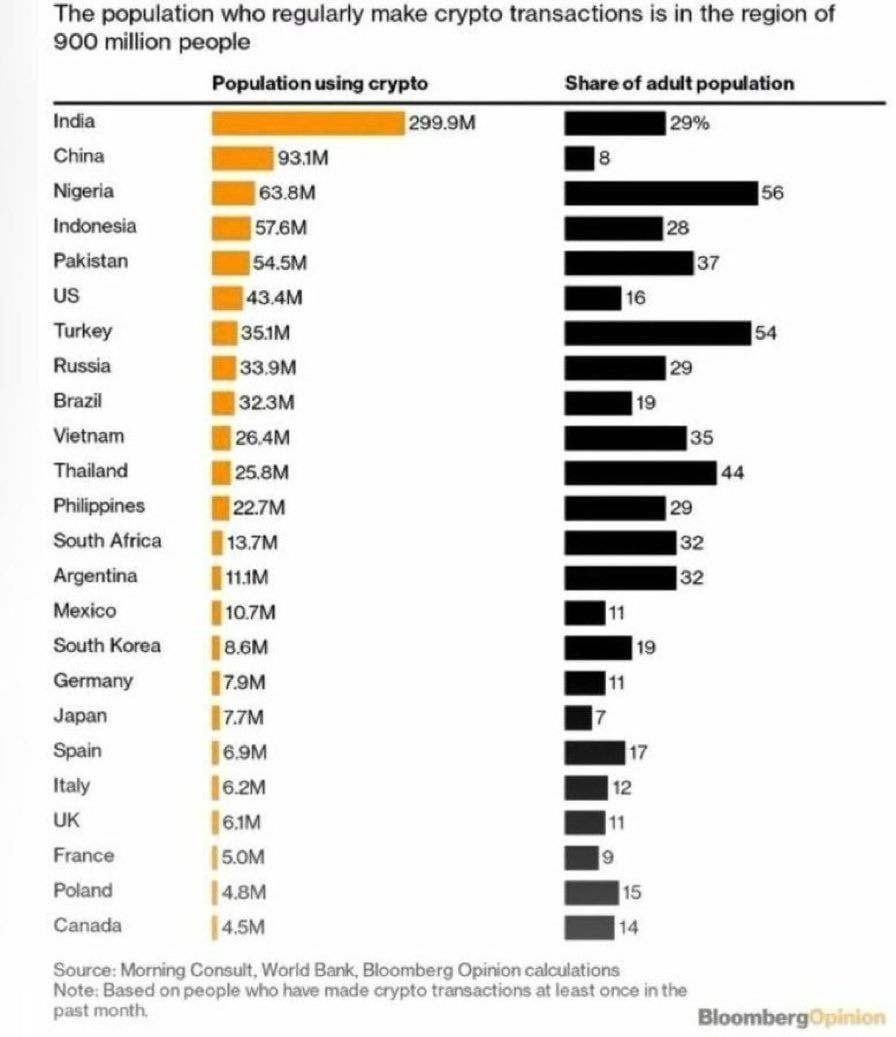
- Near half a billion crypto users globally
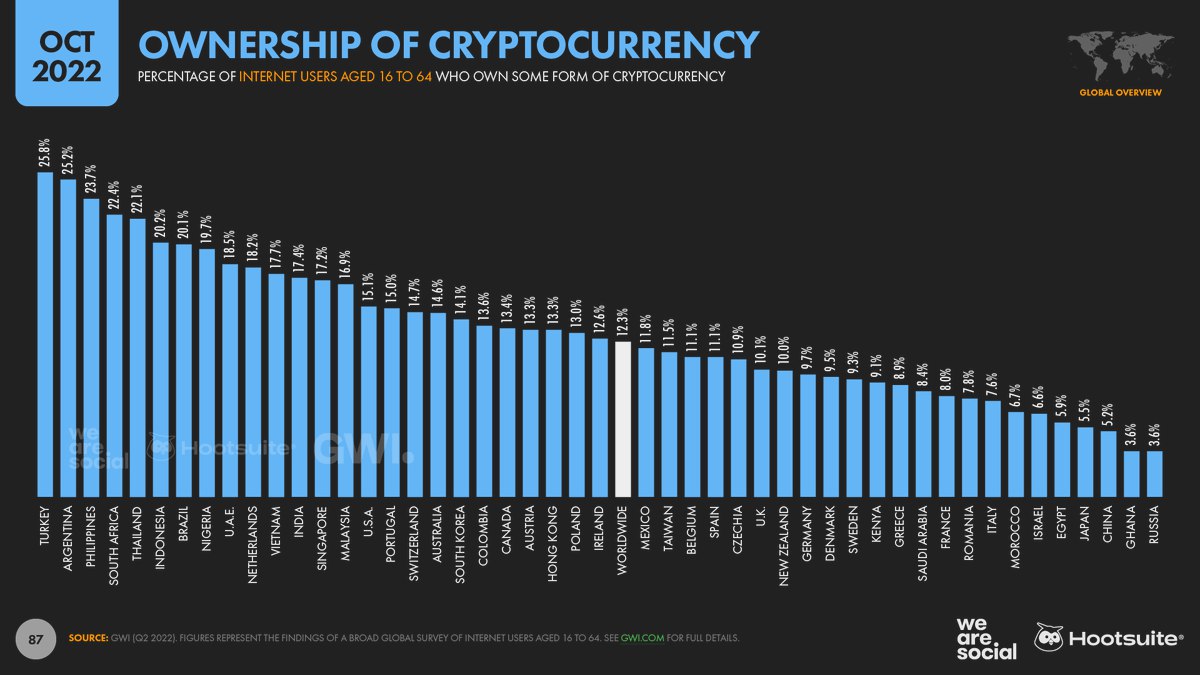
- 90 Million People Use Cryptocurrency in Nigeria - Report. Nigeria has the highest number of crypto owners in the world in 2022 with 45% of its population owning or using cryptocurrency.
- Thailand occupies the second space with 44% of its population reported to be using or owning cryptocurrency.
- Turkey has 40% of its population owning and using cryptocurrency in 2022, equal to over 33 million people.
- Argentina occupies the fourth position with an ownership and usage rate of 35% in 2022, representing almost 16 million people.
- United Arab Emirates has 34% of the population owning or using cryptocurrency in 2022, representing almost 10 million people.
- Philippines is ranked sixth with a 29% adoption rate.
-
Gladstein’s is a carefully developed and well researched book, but is written from the western perspectiveof (just) Bitcoin ‘being the raft’. Later in this book we will consider if it might be the iceberg, but this is not the domain expertise weoffer in this book. It is crucial to note that Gladstein has vociferous detractors within Africa. It seems entirely possible he’s anothergrifter as suggested by Kimani:
- Gladstein is a charlatan who makes his living by selling the image of a global south that is corrupt, entirely lacking in rational thinking and needing a saviour, like him to swoop in and save us from our floundering selves. He exploits on tired and unproven stereotypes, cherry picks data while ignoring mountains of evidence that disprove him. Because he knows that as the perceived “morally superior” “right thinking” western superior coming to save, he will mostly go unchallenged. It’s a grift, an old grift that many like him have turned into an industry. Where they earn tax free income by selling a delusion and fetish to their western audience who need to think the global south is a failure of the human experience. He is trying to set himself up as some gate keeper and king maker in the Global South. He knows that the next phase of growth is. So he wants to make sure that westerners looking to invest in the global south see him as some “expert” and ask for his unfounded opinions. People like him run global morality extortion rings. How so? Simple: By purporting to know and be the keeper of global south morality, he will use his words to bless or curse your business, well, unless you make a generous donation to his foundation. These are scare tactics employed by charlatans to run tax-evading PR entities, thinly veiled as “human rights” organisations. If you are not on his side, he will slander you and your organisation. If you ensure you promote him and his ambitions, he anoints you as the good guy! He is trying to play the role that the Vatican and other corrupt religious organisations played in the 1800. Turning morality into a commodity that can be purchased from his market place: We decide who is good and who is bad and who can do business and who can’t. For a“ donation”. He is not the first and he will not be the last. It’s a growing industry, driven by shrewd westerners who know that they can sell racial stereotypes back home, but as long as they claim they are the one’s helping or saving the coloured peoples from themselves.”
-
Raoul Pal of RealVision says:
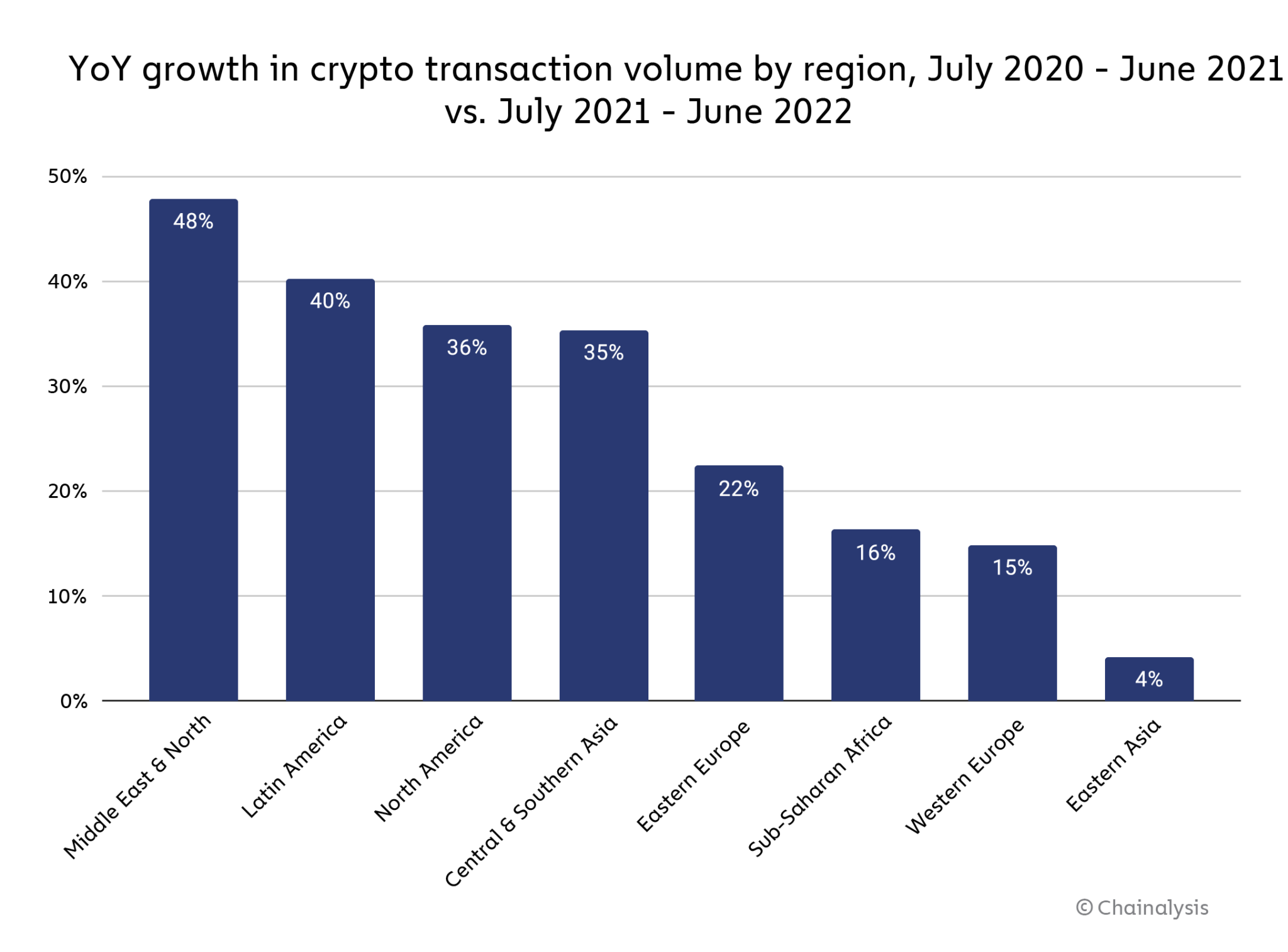
- Crypto adoption is now massively outperforming the internet. It’s been growing at about 165% a year versus 85% for the internet for the same period of time now. According to analytics company Chainalysis; growth is fastest in the Middle east and North Africa.
-
Thanks to a natural fit with strong encryption, and innate resistance to censorship by external parties, these systems do lend themselves well to ‘borderless’ applications, and are somewhat resistant to global regulation (for good or ill). Given the rates of adoption, it seems that this stuff is coming regardless of their usefulness to the developed world. If we are to take this as a given then we can perhaps logically infer that finding a use case for the technology is important, somewhat irrespective of other arguments.
Machine to machine communication
- It is likely best considered as a pivotal enabling technology strand which compliments Public Key Encryption infrastructure. This broad technology, which emerged from the cypherpunk movement, gives us the encryption we value on the internet today. It is likely going to be essential in a world where Artificial Intelligence, Deepfakes and fraudulent content are rife.
- A financial instrument which can pass rapidly from computer to computer, AI agent to AI agent, and bounce around ‘in the cloud’ doing real work and activity is where Bitcoin may possibly being to add real global utility. This is such a new field, and better left for the AI section at the end. This seed of an idea provides us a lever to explore for digital society around the asset, and this will be the focus.
- It seems very likely that AI Agents will be a major benefactor of Blockchain, likely mainly using Stable Coins on various chains. It is our belief that this will increasingly trend toward a purely Bitcoin Value Proposition over time.
- This thesis of a somewhat inevitable digital bearer instrument, with utility for instant work by Artificial Superintelligence, deployed at global scale for maximal equity of opportunity, is the focus of our analysis. It is explored in detail in:
- and the complementary risks sections