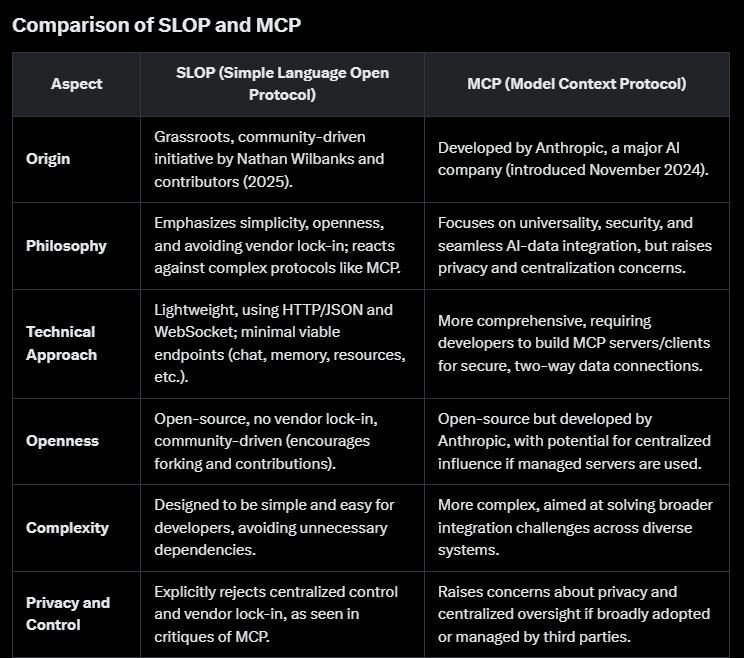
MCP standardises how AI applications connect to external services and tools. Rather than building custom integrations for each service, MCP provides:
Unified protocol for tool discovery and usage
Reduced integration complexity for developers
Better tool definitions maintained by service providers
Standardised authentication and security
Architecture Components
MCP systems have two main components:
Servers: Provide tools and resources (maintained by service providers)
Clients/Hosts: Applications that consume MCP resources
This architecture shifts integration work from application developers to service providers, who can optimise their MCP servers for better AI interaction.
Workflow Encapsulation
MCP encourages encapsulating entire workflows rather than exposing granular API endpoints. Instead of requiring multiple API calls to complete a task, MCP servers should provide single endpoints that handle complete business processes.
Practical Implementation
MCP servers can provide:
Tools for specific actions
Prompts for common use cases
Files and documents
Real-time data feeds
The discovery process allows agents to understand available resources dynamically, adapting their capabilities based on connected services.